Bargain Parts, Bitter Bills: What Cheap Components Really Cost UK Drivers
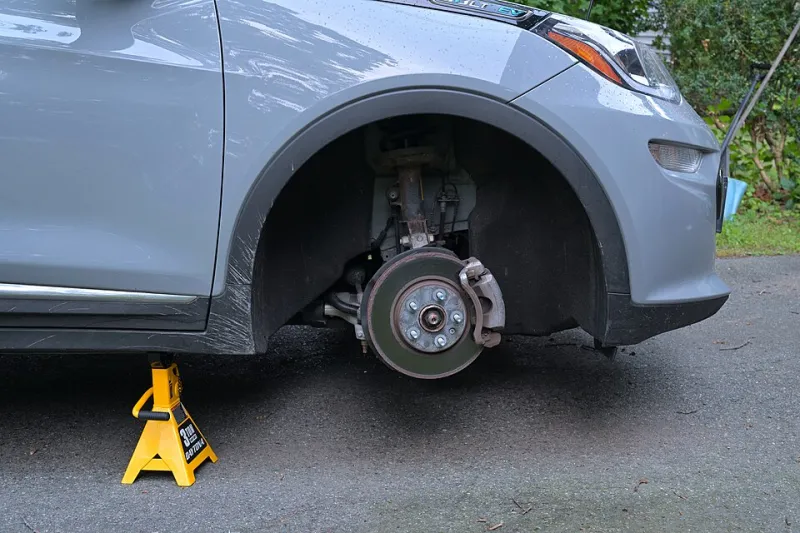
Photo: 4300streetcar, CC BY 4.0, via Wikimedia Commons
Walk into any UK motor factor and you'll be offered a choice on almost everything: a value line, a mid-range option and something with a German-sounding name and a price tag to match. The gap between the cheapest and the dearest can be three or four times the price for a component that looks, at a glance, identical.
That gap is real, and it isn't just branding. But neither is the priciest option always the right call — especially on an older car where the value of the vehicle starts to argue back. The trick is knowing which categories of part genuinely reward spending more, and which don't.
The false economy, in plain numbers
Take a front set of pads and discs. A budget set might land at £70 fitted; a decent OEM-equivalent set at £150. Sounds like an £80 saving. Now factor in that cheap discs are more prone to warping and heavy corrosion, budget pads can squeal or dust heavily, and the cheaper set might be due for replacement at 20,000 miles instead of 35,000. Suddenly you're paying labour twice, and the second visit costs more than the saving.
That's before you get to the intangibles: braking distance from motorway speed, fade on a long downhill stretch in the Peak District, or how the pedal feels when you genuinely need it. Some corners are cheap to cut. Brakes are not one of them.
The labels are more confusing than they should be
Most drivers assume 'genuine' and 'OEM' mean the same thing. They don't.
- Genuine means the part comes in the manufacturer's own box, with their logo on it, bought through a franchised dealer. You pay for the box.
- OEM strictly means the company that made the part also supplies the car maker. It doesn't mean the specific part you're buying is the one that went into your car at the factory.
- OE-equivalent (sometimes 'OEM-quality') is largely a marketing term. It can be excellent — many of the big names supply both the aftermarket and the production line — but it is not a regulated standard.
- Budget or value line is the unknown-quantity tier. Sometimes it's fine. Sometimes it's a rebranded version of something decent. Sometimes it isn't.
For safety-critical items in Europe, brake pads should carry an ECE R90 approval mark, which means they've met a minimum performance standard against the original. That's a floor, not a guarantee of quality — but it's a floor worth checking before anything goes near your car.
Where cheap is genuinely fine
There are components where the budget option is a sound financial decision, particularly on a car worth £1,500 with 130,000 miles on the clock:
- Wiper blades and cabin filters. Straightforward, easy to change, minimal consequence if they wear out early.
- Cosmetic trim, clips, badges and interior bits. Nobody's safety depends on a boot lid badge.
- Screenwash, bulbs (within legal spec) and basic consumables.
- Non-structural exhaust sections on an older car you're running into the ground.
If it doesn't affect stopping, steering, structural integrity or the engine's health, and it's easy to get at, budget is a defensible choice.
Where budget parts quietly cost more
This is the list that matters:
- Brake pads and discs. Covered above. Cheap discs corrode fast in a British winter, and a seizing caliper will destroy a new set regardless of price.
- Suspension components. Cheap drop links and bushes wear out early, and a worn bush accelerates tyre wear — so you lose the saving on rubber within a year.
- Timing belts and water pumps. The labour to change a cambelt is often three times the part cost. Fitting a budget belt to save £30 is a genuinely bad bet.
- Filters where the engine depends on them. A poor-quality oil filter or fuel filter on a modern diesel can contribute to DPF and injector trouble, and those bills run into four figures.
- Sensors and electronics. Pattern lambda sensors and MAF sensors are notorious for throwing codes and confusing diagnostics. Sometimes the cheap part costs you a diagnostic session to prove it was the problem.
The warranty angle most drivers miss
If your car is still within a manufacturer warranty, non-genuine parts fitted outside the dealer network can complicate a claim if the failure is linked to that component. The rules are more forgiving than many dealers imply — a warranty can't be voided just because you used an independent garage — but you may be asked to prove the part was of matching quality.
On the flip side, many independent garages offer a 12-month warranty on parts they supply, and that warranty is usually void the moment you hand over a part you bought yourself. If your cheap eBay discs fail in six months, the seller may replace the discs but nobody's paying for the labour to strip them off again.
Buying used: sometimes the smart choice, sometimes madness
Used parts get an unfairly bad reputation. For body panels, interior trim, alternators, starters, ECUs matched to your car and hard-to-find trim for an older model, a reputable breaker is often the only sensible route. Matching by part number, not by 'it looks the same', is essential.
But there are categories where used is a straight no: brake pads, tyres, cambelts, clutches, airbags and anything involving a service life. You cannot inspect the history of a friction material in a scrapyard, and tyres that have sat outside for three years are a false economy even if the tread looks deep.
A simple four-question framework
Before you approve any part, ask:
- Does it affect safety or legality? Brakes, steering, suspension, tyres, lights, emissions. Spend properly.
- What's the labour-to-part ratio? If fitting costs more than the component, buy the best you can justify. The labour is the same either way.
- How long am I keeping the car? Two more years? Mid-range is plenty. Another six? Genuine or top-tier OE-equivalent pays back.
- Who warrants it? Garage-supplied parts with labour cover beat a bargain you sourced yourself almost every time.
What to say at the counter
You don't need to become an expert. You need one sentence: 'I'd rather not go bottom-of-the-range on anything safety-related — what's the next step up, and what does it add?' A decent garage will answer honestly, because they don't want the comeback visit any more than you do.
Cheap parts aren't always a mistake. Choosing them by accident, though, is how a £70 saving turns into a £400 repair and a car that doesn't stop as well as it should.