Frost-Proof Your Motor: The Winter Checks That Actually Matter in 2026
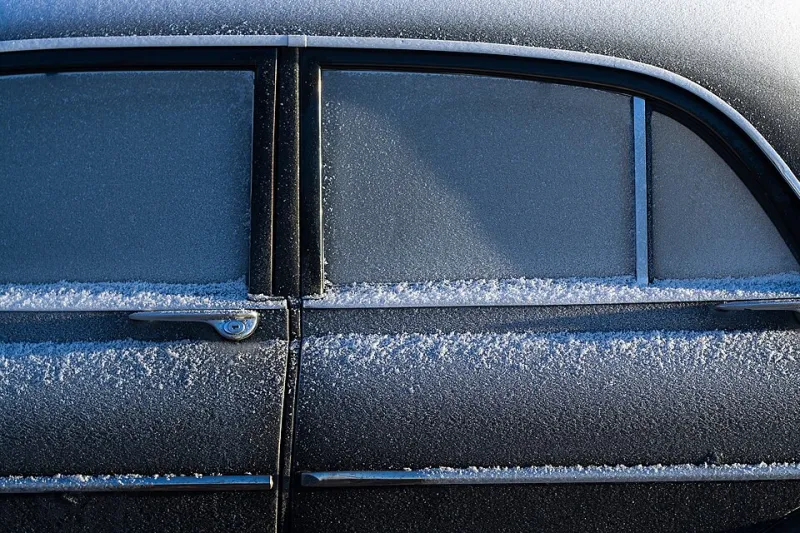
Photo: Juha Lakaniemi planetlb, CC0, via Wikimedia Commons
November has a way of sneaking up on UK drivers. One morning the windscreen is clear, the next there is a proper frost on the roof and the battery sounds like it is thinking about early retirement. The 2026 winter check is not about panic-buying every potion on the shelf. It is about doing the small things now so that a cold snap does not turn into a recovery truck and a lost morning.
Below are 12 jobs worth sorting before the first hard frost. Some are genuine DIY checks. Others are quicker, safer and cheaper when a trusted local garage puts the car on a ramp. The trick is knowing which is which.
1. Battery load test — not just a look at the terminals
A battery that starts fine in October can collapse at minus two. Cold weather slows the chemistry and makes the starter work harder, so a weak battery has far less margin. A visual check for corrosion and a tight clamp is a sensible DIY start, but a proper load test tells you the real story.
Many garages will test a battery free or for £10–£20. If it is marginal, expect £85–£180 fitted for a decent replacement, depending on size and whether the car needs coding. Do not wait for the first click-click-click morning.
2. Tyre tread — the 20p test still works
The legal minimum is 1.6mm, but winter grip falls away well before that. A useful rule for UK conditions is to think seriously about replacement at 3mm. The old 20p trick is still a quick way to check the main grooves, and a tread depth gauge costs less than a coffee.
Check all four tyres and look for uneven wear. Inner edges are easy to miss and often point to alignment or suspension issues. Budget £60–£200 per tyre fitted, depending on brand and size.
3. Tyre pressures — including the spare
Pressure drops as temperatures fall, so a car that was fine in summer can be noticeably underinflated by November. Check when the tyres are cold and use the figures in the door shut or handbook, not the maximum on the sidewall.
If you have a spare, check it too. If you have a repair kit instead, make sure the sealant is in date. This is a two-minute job that improves grip, fuel economy and tyre life.
4. Antifreeze strength — a hydrometer is your friend
Coolant does more than stop freezing. It protects against corrosion and helps the engine run at the right temperature. A simple hydrometer check shows whether the mix is strong enough for a UK winter. If it is weak, or the coolant looks rusty or sludgy, get it checked properly.
A coolant check is often £10–£20, while a drain and refill is typically £60–£100. Do not mix coolant types just because the bottle is the same colour — that is a false economy.
5. Lights — all of them, not just the headlamps
Walk around the car with the lights on and check every bulb: headlamps, sidelights, indicators, brake lights, reverse lights, rear fog and number plate lamps. Ask someone to press the brake pedal while you look. A surprising number of cars run around with a dead brake light.
Bulbs are usually £5–£20, but some modern units are awkward to access. If fitting is fiddly, a garage will often do it for a small labour charge.
6. Wipers — replace before they smear
Wipers that chatter or leave streaks are dangerous in low sun and heavy rain. Check the blades for splits and clean them with a damp cloth. If they have seen more than a year of British weather, new blades are cheap insurance at £10–£30 a pair.
7. Screen wash — use a proper winter mix
Summer screen wash can freeze in the jets and bottle. Use a winter-strength mix and check the reservoir regularly. This is one of the cheapest jobs on the list, but it is also one of the most annoying to get wrong on a freezing morning.
8. Brakes — listen and feel, then get them checked
Brakes should feel firm and quiet. Squealing, grinding, a soft pedal or a car that pulls to one side needs attention. A basic brake check is often free or £20–£30, and it is money well spent before winter.
Front pads are typically £80–£150 per axle fitted, with discs costing more. If a garage recommends a full overhaul, ask for measurements and a clear explanation of what is worn.
9. Underbody salt protection — wash now, protect later
Road salt is relentless. Give the wheel arches, sills and underbody a thorough rinse, especially if you live in an area that grits heavily. A winter wash is usually £15–£30. Proper rustproofing or underseal work is more like £100–£300, so it is worth asking whether your car actually needs it rather than being sold it on the spot.
10. Air conditioning — it is not just for summer
Air conditioning helps demist the windows quickly in wet weather. Run it regularly through winter to keep the system healthy. If it smells musty or barely cools, a regas or pollen filter change may be due. Expect £50–£90 for a regas and £15–£30 for a pollen filter.
11. Oil and service due date — check the book
Low oil is harder on a cold engine. Check the level when the car is flat and the engine is cold, and top up with the correct grade if needed. If the service is due, get it done before winter rather than after. A basic oil and filter service is often £120–£220, depending on the car.
12. Emergency kit — sensible, not theatrical
A scraper, de-icer, torch, warning triangle, warm layer and a phone charger are more useful than a boot full of novelty gadgets. Check the tyres, lights and fluids before a long trip, and keep a bit of extra fuel or charge in the tank if you are heading somewhere remote.
DIY versus garage: where to draw the line
Check pressures, tread, bulbs, wipers, screen wash and oil yourself. Those are simple, safe jobs. Battery load testing, brake inspection, coolant strength, air conditioning and underbody work are better handled by a garage with the right tools and a ramp.
How to spot winter upselling
Be wary if a garage recommends urgent work without showing you the measurement or the worn part. Vague phrases like ‘it is all looking tired under there’ are not a diagnosis. A good garage will explain what fails an MOT, what is a safety issue and what can wait. If you feel pressured to decide immediately, get a second opinion.
The bottom line
A few hours of prep in November 2026 can save a lot of grief in January. Do the easy checks yourself, book the garage work early and keep a record of what has been done. Your car will start more reliably, stop more safely and cost less to run when the weather turns properly grim.