A Cheap MOT Can Be Fine — Here’s How to Tell If It’s Fair Value
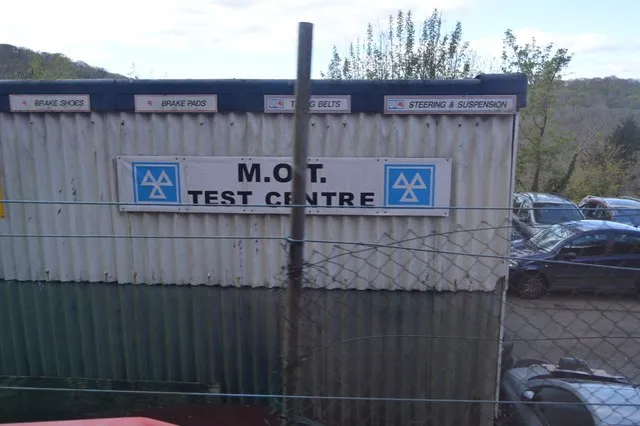
Photo: N Chadwick , CC BY-SA 2.0, via Wikimedia Commons
There’s a reason the £19.99 MOT advert keeps working. It’s a headline number, it’s easy to compare and it makes every garage charging the regulated maximum look like they’re having a laugh. But an MOT isn’t a tin of beans. The price on the board is only one part of the transaction, and the bits that aren’t on the board are where drivers either save money or lose it.
None of this means a cheap MOT is automatically dodgy. Plenty of sensible, well-run garages use a low test fee to get cars through the door, then make their margin on servicing, tyres, repairs or the simple hope that you’ll come back. That’s loss-leader pricing, and it’s not illegal or immoral. The question is whether the garage is open about how the model works.
Why a cheap MOT exists in the first place
The MOT fee for a car is capped by the DVSA at just under £55, so a garage advertising £19.99 is deliberately losing money on the test itself. It has to make that back somewhere — labour, parts, retests, diagnostics or volume. That doesn’t make the tester dishonest. It does mean the business has a different financial shape from a garage charging full whack and relying on the test alone.
The risk isn’t the low price. The risk is what happens when the price is the only thing you know about the garage. If the booking process is vague, the failure sheet arrives with no explanation and the quote is delivered as a take-it-or-leave-it number, the cheap test has done its job: it got you in. What happens next is the real cost.
The MOT is a minimum standard, not a service
An MOT checks that the car meets a legal safety and environmental standard on the day. It is not a service, a diagnostic session or a guarantee that nothing will break next month. A tester can pass a car with advisories and still be doing their job properly. They can also fail a car for something that feels trivial to you but matters to the test manual.
That’s why the failure sheet is more useful than the pass certificate. Ask for it, read it and get the tester to explain anything you don’t understand. A good garage will talk you through the difference between ‘dangerous’, ‘major’ and ‘minor’ defects, and will tell you which items can wait. A garage that won’t explain is giving you information whether it means to or not.
Questions worth asking before you book
You don’t need to interrogate anyone. A few polite questions will tell you a lot about how the place operates.
- Is the advertised price the full test fee, including VAT, or are there extras?
- What is the retest policy if the car fails?
- Do you charge for investigation or diagnosis, and at what labour rate?
- Will I get a written quote before any repair work starts?
- Can you show me the failure sheet and explain the advisories in plain English?
- Do you work on the same day, or will the car be with you for longer?
If the answers are clear, the cheap MOT may be perfectly fine. If the phone goes quiet when you ask about retests or written quotes, that’s not a price problem. It’s a communication problem, and communication is usually a good proxy for how the garage treats customers.
What fair value actually looks like
Fair value isn’t the cheapest test and it isn’t the most expensive one. It’s a price you can understand, a process you can follow and a bill that matches the work you agreed to. A garage charging £45 for an MOT with a clear retest policy, a proper waiting area and a tester who explains the advisories can be better value than a £19.99 test that turns into a £400 repair you didn’t authorise.
Use the DVSA’s MOT history service to see how your car has behaved over the years, and use local recommendations from people who actually pay bills, not just star ratings. Ask neighbours, colleagues and the person behind the counter at the motor factor. The best garage in town rarely has the loudest advert.
Don’t assume, and don’t ignore the bill
The honest answer is that some cheap MOTs are excellent and some are grim. The price alone won’t tell you which. What will tell you is transparency: clear pricing, clear retest rules, clear explanations and a refusal to start work without your say-so. If you get those things, a bargain test can be a genuine bargain. If you don’t, the £19.99 was never the real number.
Before you book, decide what you’re buying. You’re not buying a certificate. You’re buying an hour of a trained tester’s attention and a clear picture of your car’s safety. That’s worth asking questions about.