Book Before the Tinsel: How to Grab a Fair Festive Garage Slot in 2026
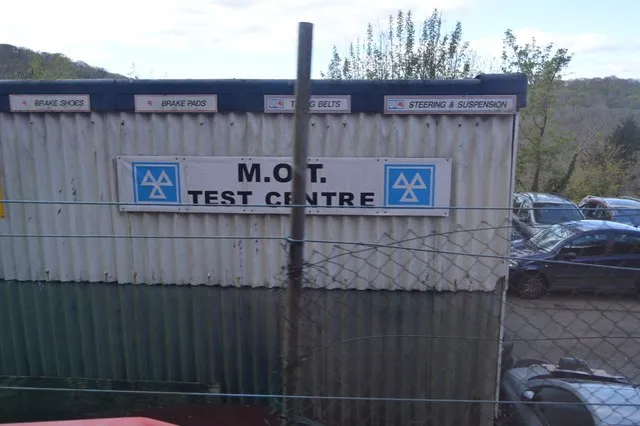
Photo: Mr Ignavy , CC BY-SA 2.0, via Wikimedia Commons
As of 10 November 2026, most of us are still pretending Christmas is ages away. Your local garage knows better. The festive diary is already filling with MOTs, pre-trip checks, mystery noises and the classic “can you just look at it before we drive to Cornwall?” requests. By the second week of December, the good slots tend to vanish — and the only appointments left are often the awkward ones.
This isn’t about scaring you into booking a full service you don’t need. It’s about timing. A sensible booking now usually costs less, gets more attention and leaves room for the bits that always turn up on a cold morning: a tired battery, a weeping coolant hose or a tyre that’s decided to lose a fight with a pothole.
Why the pre-Christmas garage rush is real
UK garages don’t suddenly become less busy in December. They become more busy with fewer people. Technicians take leave, parts deliveries get squeezed by courier volumes, and every job that was “we’ll sort it after payday” lands in the same four-week window. Add darker evenings, salty roads and long motorway trips to see family, and you’ve got a recipe for a packed workshop.
There’s also the MOT factor. Many drivers put off repairs until the test is due, and plenty of tests fall near the end of the year. A garage that’s juggling MOT failures, pre-holiday checks and emergency breakdowns is a garage under pressure. That doesn’t make it dishonest. It does mean you want to be the person with a planned slot, not the one ringing around on 22 December hoping for a Christmas miracle.
What to sort before a long festive trip
You don’t need to hand over a blank cheque. A decent pre-trip once-over is usually straightforward: tyre pressures and tread, lights, wipers, screenwash, coolant level, oil level, brake feel and battery health. If your car is due a service in the next few months, doing it before the trip can make more sense than squeezing it in afterwards. If it’s not due, ask for a check rather than a full service — a good garage will tell you the difference.
Be honest about the trip. Towing a caravan to the Peak District is not the same as popping to the supermarket. Mention heavy loads, long motorway runs or regular stop-start traffic. Also mention any warning light that has appeared and disappeared. Intermittent faults are annoying, but they’re much easier to investigate before the workshop is running on Christmas Eve energy.
The emergency premium trap
When garages get tight for time, prices can creep. Some of that is fair — overtime, urgent parts couriers and lost family time aren’t free. But “emergency” should mean emergency, not “we didn’t plan and now you’re paying for it”. Ask for a written estimate before work starts, including parts and labour. If the number feels high, ask what’s driving it. A rushed job with a vague quote is a bad combination.
A fair garage will still explain priorities. It might say the brakes are fine for now but the tyre is borderline, or that the battery is weak and likely to struggle on a frosty morning. That’s useful. A garage that piles on extras without explaining why is giving you a warning sign, not a service.
How to spot a workshop that’s rushing work
Rushing doesn’t always look like chaos. Sometimes it looks like a very helpful person saying they can squeeze you in tomorrow, then asking you to collect before they’ve had time to road test the car. Watch for quotes given without checking the vehicle, parts being ordered before anyone has confirmed the fault, or a workshop that can’t tell you who will actually do the job.
You’re also allowed to ask how long they need the car. If the answer is “drop it in and we’ll see”, that’s not necessarily terrible — but it’s worth asking when they’ll call with an update. A garage with a proper booking system will usually give you a realistic window and stick to it.
A simple booking timeline for the rest of 2026
This week: Make a list. Note the MOT date, service interval, any noises, warning lights or tyres you’re unsure about. Ring two or three local garages and ask for their earliest sensible slot for a pre-trip check or the repair you need. Don’t just ask for “next available” — ask what they’d recommend given your trip.
Mid-to-late November: Book the work. This is the sweet spot. You’ve got time for parts to arrive and, if something else is found, room to fix it without a panic. If you need an MOT before Christmas, get it booked now rather than waiting for the reminder to turn red.
First week of December: Aim to have the main jobs done. Check tyre pressures, top up screenwash and make sure your breakdown cover is current. If you’re due a long drive, do a proper lights check with someone helping — it’s amazing how many cars run around with one brake light out.
Mid-December: Keep this window for small stuff: a bulb, a wiper blade, a tyre pressure check. Don’t leave a suspension knock or a coolant leak until now. If something feels wrong, ring your garage and ask whether it’s safe to drive. A good one will give you a straight answer.
The last week: Expect limited slots and shorter opening hours. If you’re desperate, be polite and clear about the problem. But don’t expect a full diagnostic investigation on 23 December. That’s not fair on the workshop, and it’s not good for your wallet either.
The festive rush is avoidable if you treat November as the planning month rather than the warm-up. A booked slot, a clear list and a garage you trust will do more for your Christmas than another roll of wrapping paper. And if you do end up needing help late in December, you’ll be glad you weren’t the one ringing every workshop in town.