Your Car’s Paper Trail: What Earns a Place in the Glovebox
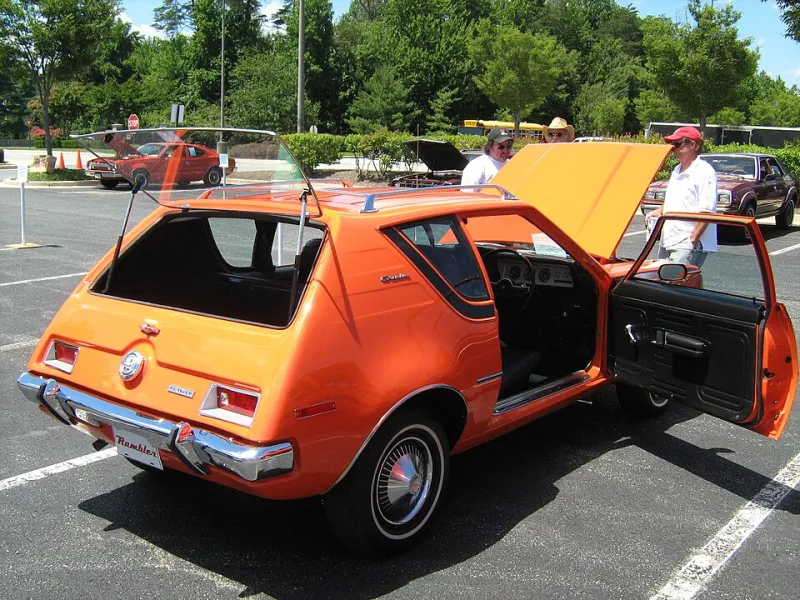
Photo: CZmarlin — Christopher Ziemnowicz, releases all rights but a photo credit would be appreciated if this image is used anywhere other than Wikipedia. Please leave a note at Wikipedia here. Thank you!, CC BY-SA 3.0, via Wikimedia Commons
Most gloveboxes start with good intentions. A service book goes in, then an insurance schedule, then a tyre invoice, then a parking receipt you meant to bin. A year later, you are rummaging past three pairs of sunglasses and an old tube of hand cream trying to find the breakdown policy number while standing in the rain.
The glovebox does not need to be a filing cabinet. It needs to be a small, sensible kit that helps you at the moments that matter: booking a repair, dealing with a roadside issue, or showing a buyer that the car has been looked after. The rest belongs at home, in a folder that is easier to find and harder to lose.
Start with the bin bag, not the folder
Empty the glovebox onto a table. You will probably find three categories: current paperwork, paperwork you thought was current, and pure clutter. Old insurance schedules, last year’s MOT printouts and receipts for work already forgotten can go. Be careful with anything that carries personal details — shred it rather than dropping it in the bin.
Once the clutter is gone, you can decide what genuinely earns its place. The test is simple: would having this document in the car get me out of a real problem, or help a garage help me? If the answer is no, it stays at home.
What actually earns a place in the car
A few items are worth keeping close by, preferably in a slim plastic wallet rather than loose in the box.
Insurance details. You do not need the entire policy booklet in the car, but a note of your insurer, policy number and claims phone line is useful. If you have a current certificate, a copy is fine. The original can live at home with the rest of your household paperwork.
Breakdown cover details. This is the one you will be glad of when you are stuck on a hard shoulder. Keep the membership or policy number and the recovery phone number together. A screenshot on your phone is good, but a paper copy is a sensible backup if your battery is the thing that has let you down.
MOT status and advisories. The official MOT record is online, and that is what a garage or buyer will check. Still, a printout of your current MOT and any advisories is handy when you are discussing work at the desk. If you have an older paper certificate, keep a copy in the car and the original at home.
A copy of the most recent service or repair invoice. This helps a garage see what was done, when, and with which parts — particularly if a repair is still under warranty. Keep the original invoice in your home file and put a copy in the car if you want it available.
A small note with practical details. Tyre pressures, the correct oil specification, and the radio code if your car needs one can save time and guesswork. This is not legal paperwork, but it is useful paperwork.
What should stay at home
Some documents are too valuable or too sensitive to leave in a car. A glovebox is easy to break into, and a car can be stolen or written off. Treat the following as home-based documents.
The V5C logbook. This is proof of who the car belongs to. It should never live in the glovebox. If a thief gets it, they have a document that can help them clone or sell the car. Keep it somewhere safe at home and only take it out when you genuinely need it, such as when selling the vehicle.
The full service history and original invoices. A complete service record adds real value at resale. It is also difficult and expensive to rebuild if it disappears. Keep the original folder at home and take photos of the key pages for your phone.
Finance, lease and extended warranty documents. These often contain personal and financial information. Keep the originals at home and carry only the contact number or policy reference if you need it.
Your driving licence. You are not required to carry it every time you drive in the UK. Keep it secure at home and take it with you when you need it, such as hiring a car or picking up a courtesy vehicle. If the police ask to see it, you can usually produce it at a police station within seven days.
The garage desk test
When you book a car in, the person at the desk does not need your entire paperwork life. They need the service book if your car has a physical one, the most recent invoice if it is relevant to the job, and any warranty details for parts or labour. A copy of the MOT advisories is helpful too.
If you keep those copies in the car, you can hand over what matters without risking the originals. And if a garage asks for the V5C, ask why. There are legitimate reasons — confirming vehicle details, for example — but it is fine to show it rather than leave it with them.
Roadside stops and private sales
At a roadside stop, the police can ask for your driving licence, insurance and MOT. If you cannot produce them there and then, you can usually take them to a police station within seven days. Having the insurer and breakdown numbers in the car makes the practical side much easier, even if the full documents are at home.
For a private sale, the glovebox audit pays off again. A buyer will want to see the V5C, the MOT history and evidence of servicing. Show the originals at home, let the buyer check the online MOT record, and give them copies if needed. Do not leave the V5C in the car for test drives. Keep it in your hand until the sale is complete and the new keeper details are sorted.
A five-minute checklist
Before you close the glovebox, ask yourself:
- Is the insurance and breakdown information current?
- Is there a copy of the latest MOT and advisories?
- Is there a copy of the most recent service invoice, if it is useful?
- Are the V5C, full service history and finance documents safely at home?
- Have I removed old receipts and expired paperwork?
- Are the documents in a wallet, rather than loose?
That is the whole job. Five minutes, one small wallet, and a home folder for the originals. The glovebox stays useful, the paperwork stays safe, and you are not the person holding up the garage queue while hunting for a policy number under a spare pair of gloves.